

Inside the Factory: Where Aladino Cigars Take Shape
March 7, 2026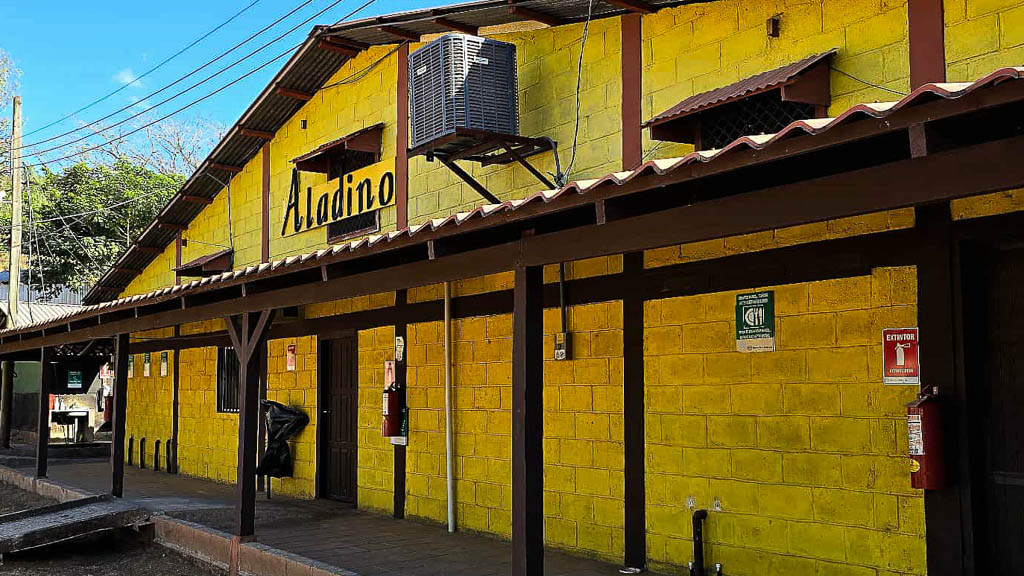
Stepping inside the factory, the rhythm changes.
The farm is where the tobacco is grown, but the factory is where generations of knowledge and craftsmanship transform those leaves into cigars. The quiet of the fields gives way to a different kind of focus. Tables filled with tobacco. Bunchers shaping cigars. Rollers working with steady hands.
Every movement feels deliberate.
The fields are where the story of a cigar begins, but the factory where the story is carefully brought to life.
From Tobacco Leaf to Cigar
Inside the factory, the tobacco we saw in the fields begins its transformation.
After curing and fermentation, the leaves are sorted by type, color and texture. Each leaf has a role to play. Some become filler, building the core of the cigar. Others become binder, hold the blend together. The most beautiful leaves are reserved for the wrappers.
Watching this process unfold makes one thing clear: a cigar isn’t just rolled. It’s assembled with intention.
Each bunch is built by hand. Each wrapper applied with precision. Each cigar is inspected before it ever leaves the table.
Sorting of the Tobacco
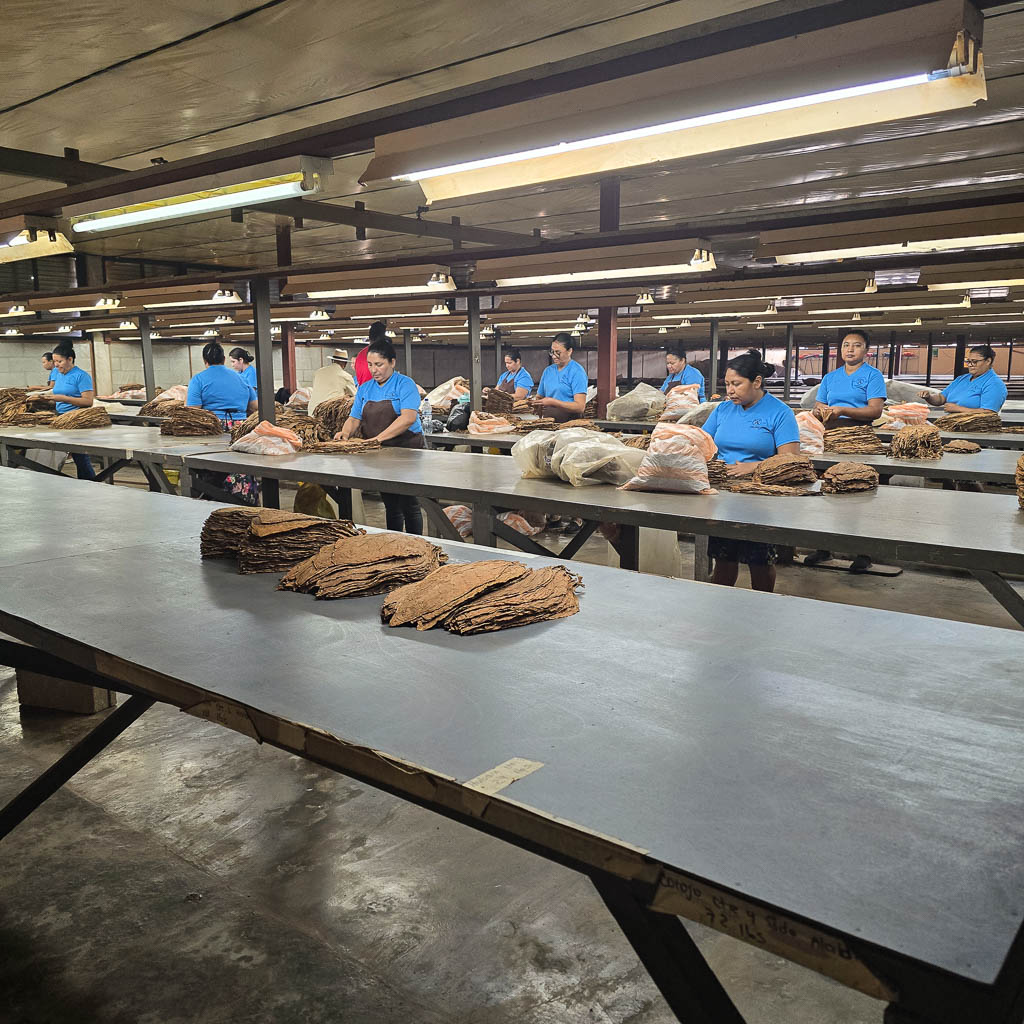
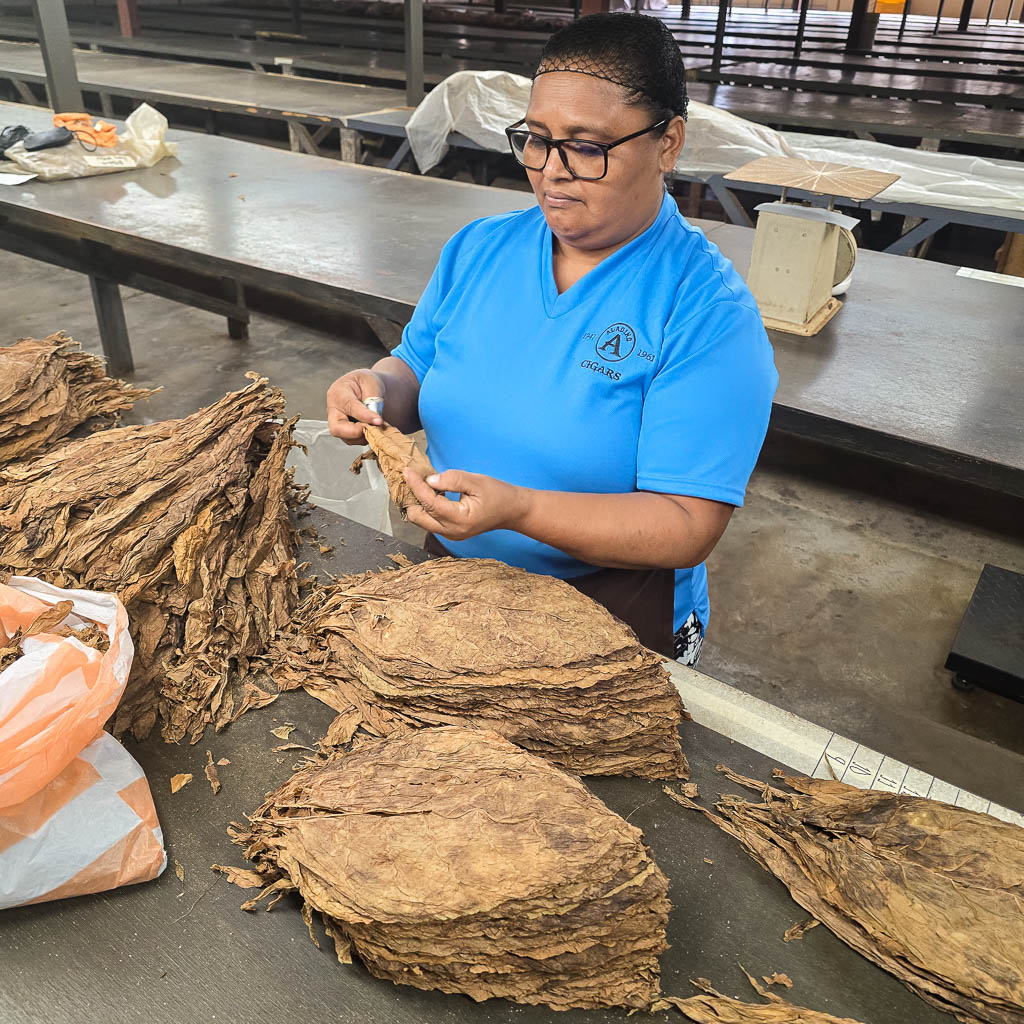
The first step we saw inside the factory was sorting. Large tables stretched across the room, each with stacks of tobacco. Ladies moving quickly and confidently, lifting leaves, examining their texture and color and placing them in different piles.
The experience required for this step is remarkable. What looks like a simple leaf to most of us tells an entire story to the people who work with it every day.
Turning the Palones
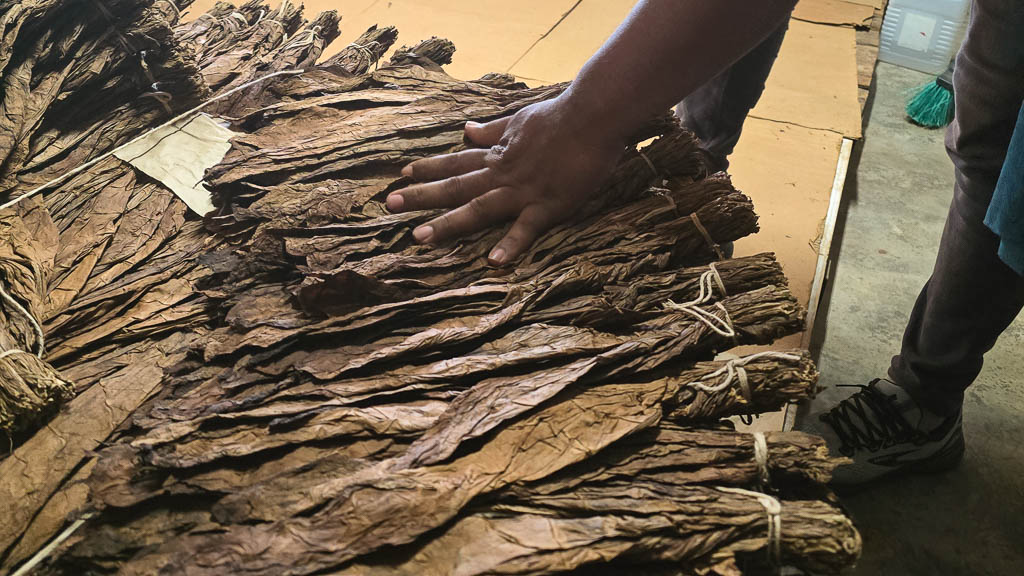
After sorting, the tobacco moves to bundles of tobaccos arranged on pallets called palones.
These bundles are tied together and stacked during fermentation. Throughout the process the tobacco must be carefully monitored, shaken (to airate) and periodically turned.
Turning the palones helps control temperature and airflow with the tobacco. It ensures the leaves ferment evenly and prevents overheating.
This step might not look dramatice, but it plays a critical role in shaping the flavor of the finished cigar.
Tobacco Breathing on the Turning Wheels
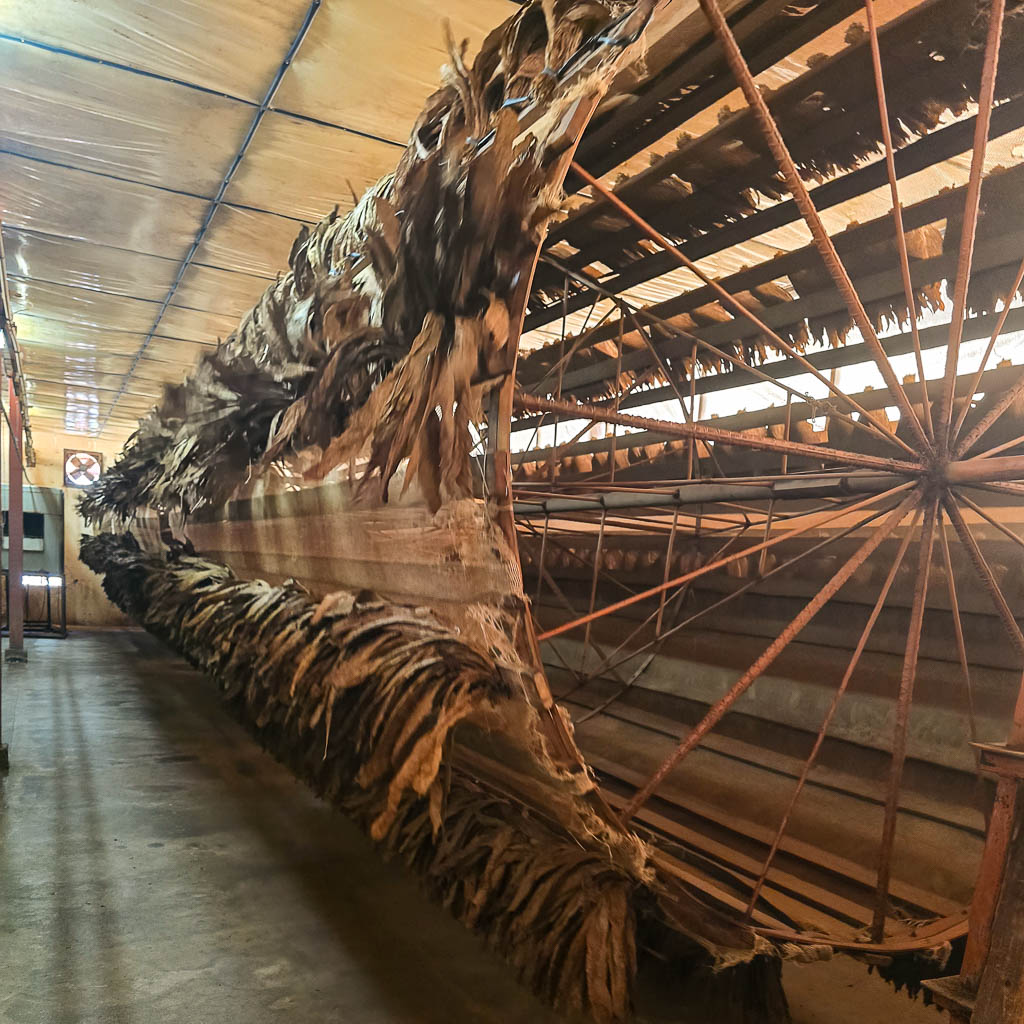
One of the most fascinating parts of the factory was seeing the tobacco resting on massive turning wheels.
Here is where the tobacco is allowed to “breathe”. The wheels rotate steadily, allowing the air to move through the leaves and helping stabilize the tobacco after fermentation.
Seeing the scale of operation was impressive. Pounds of tobacco rest on these structures, slowly turning to develop their character.
Drying Racks
From here we moved into drying rooms.
Moisture levels in tobacco must be carefully controlled. If the leaves are too dry they can crumble during rolling. Too much moisture and the cigar will not burn properly.
The racks allow the tobacco to settle into the precise condition needed before they next stage of the process.
Walking though these rooms, the aroma of cured tobacco fills the air.
Making the Tobacco Bales
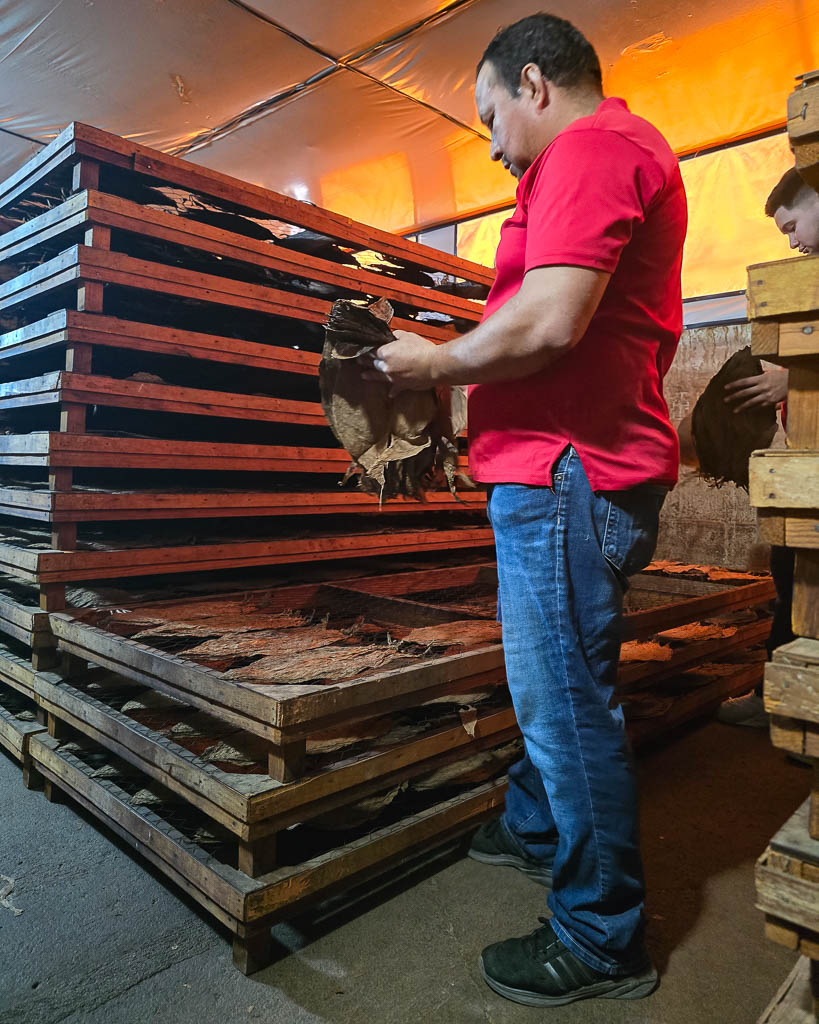
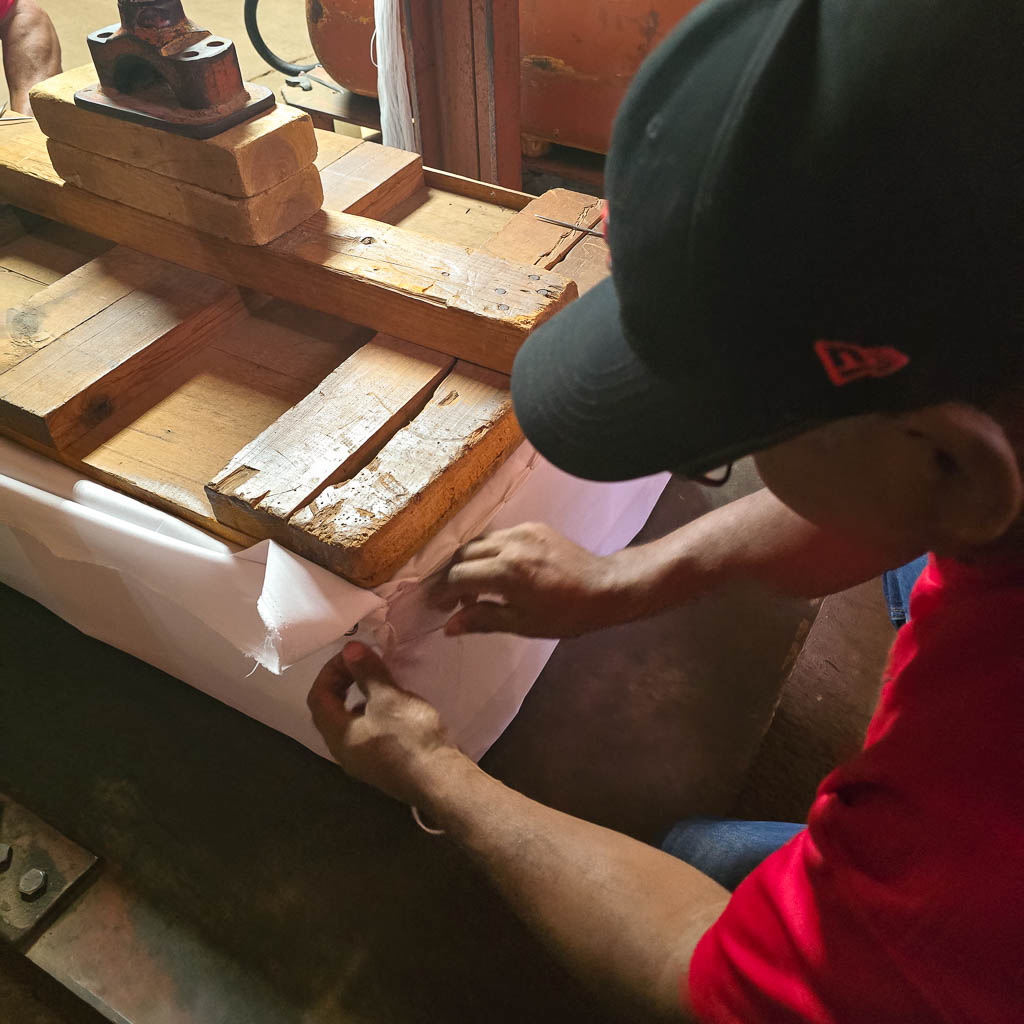
The tobacco is pressed tightly together and wrapped, allowing the leaves to continue aging and fermenting as a group.
These bales can weigh a significant amount and represent months or even years of work in the fields and curing barns.
It is yet another reminder of how much patience is required before a single cigar is ever rolled.
The Bunchers
Finally, the tobacco reaches a point where the tobacco starts to resemble a cigar.
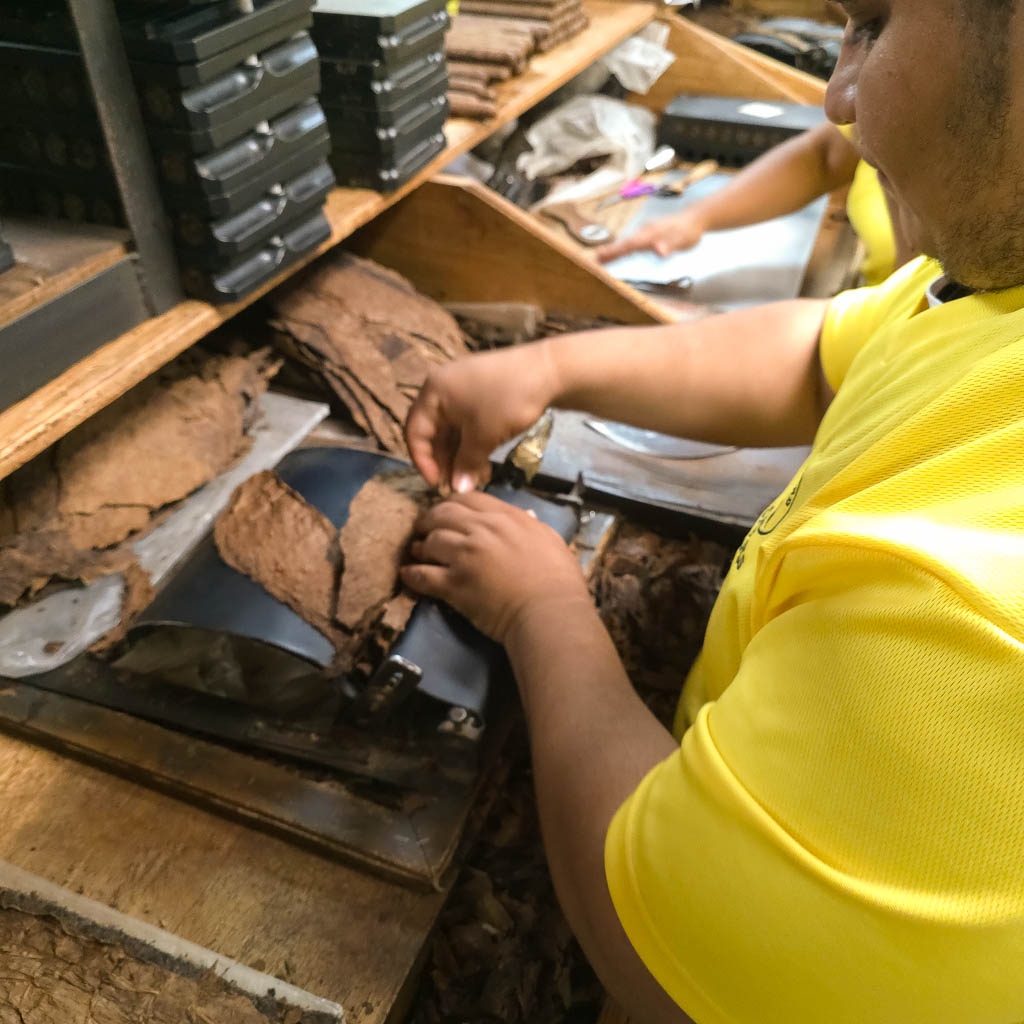
The bunchers are responsible for building the internal blend. Different leaves are selected and arranged carefully to create the structure and flavor profile of the cigar.
Once the filler is assembled, a binder leaf is wrapped around it to hold everything together. This stage determines how the cigar with burn and how the flavors will develop while smoking. Watching the bunchers work, the speed and precision of their movement is remarkable.
Following this step they cigars rest in a mold before going through a quality control test to assure an optimal draw.
The Rollers
This is the part of the process most people imagine when they think about handmade cigars.
Each roller takes the prepare cigars and applies the wrapper leaf. The wrapper must be stretched and positioned perfectly before the cigar is finished with the cap.
The movements are smooth and practiced. Years of experience show in every movement. It’s easy to see why cigar rolling is considered a craft.
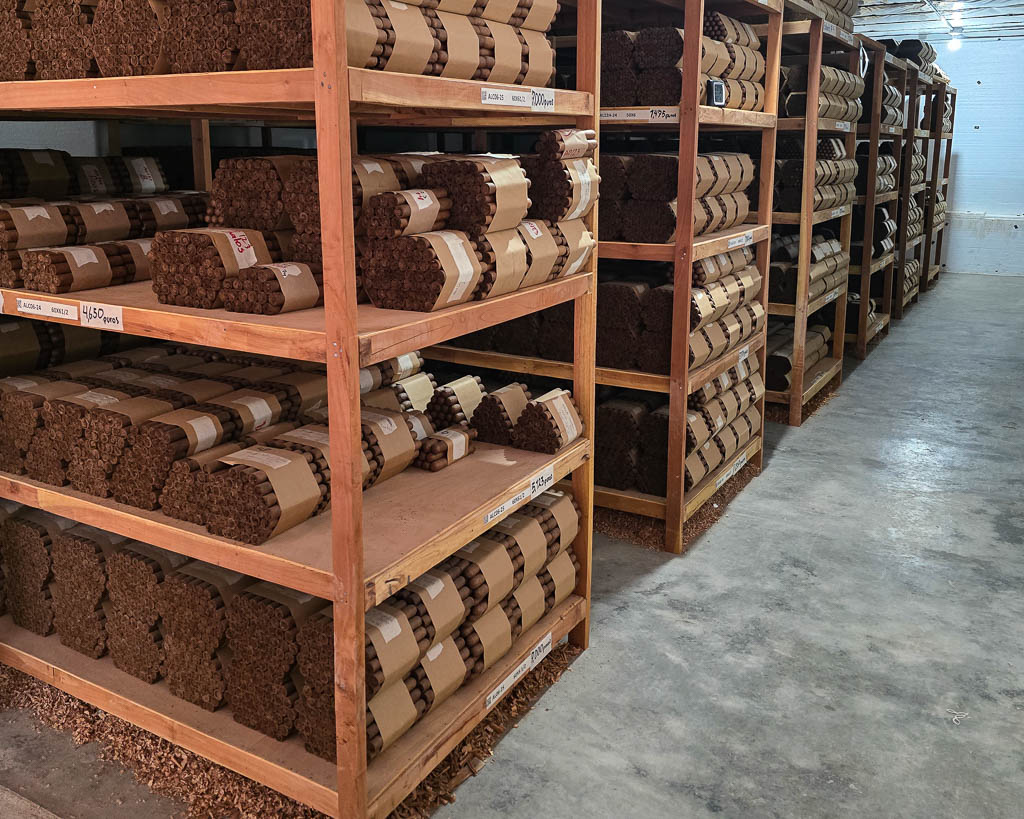
The Aging Room
After being rolled, the cigars are not immediately boxed. They rest.
In aging rooms, the cigars are allowed time to settle. This rest period helps the tobacco marry together and allows the flavors to stabilize.
Shelves filled with cigars sit quietly during this stage, waiting until they are ready for the next step.
Boxing the Cigars
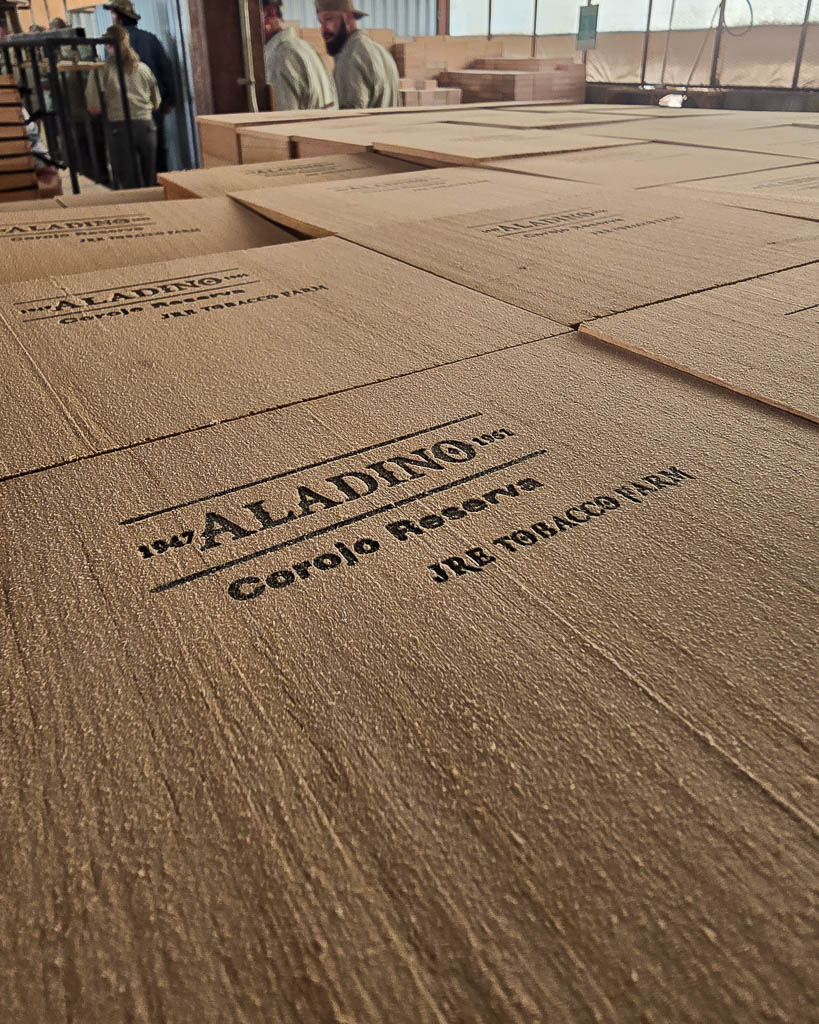
Finally, the cigars are inspected, banded, and boxed.
Every cigar is checked to ensure it meets the quality standards of the factory before it leaves the building.
These boxes will eventually travel to cigar shops and humidors around the world.
Including ours in Austin.
A Different Appreciation
Walking through the factory changes the way you think about cigars. From sorting leaves to turning palones, from bunching to rolling to aging, every step requires skill and patience.
Dozens of people contribute to a single cigar before it ever reaches the smoker. Seeing that process firsthand gives a deeper appreciation for what you’re lighting.
The next time we light an Aladino, it will be impossible not to picture the people and the work behind it.

You must be logged in to post a comment.