

From Seed to Leaf: Visiting the Aladino Tobacco Farms
March 5, 2026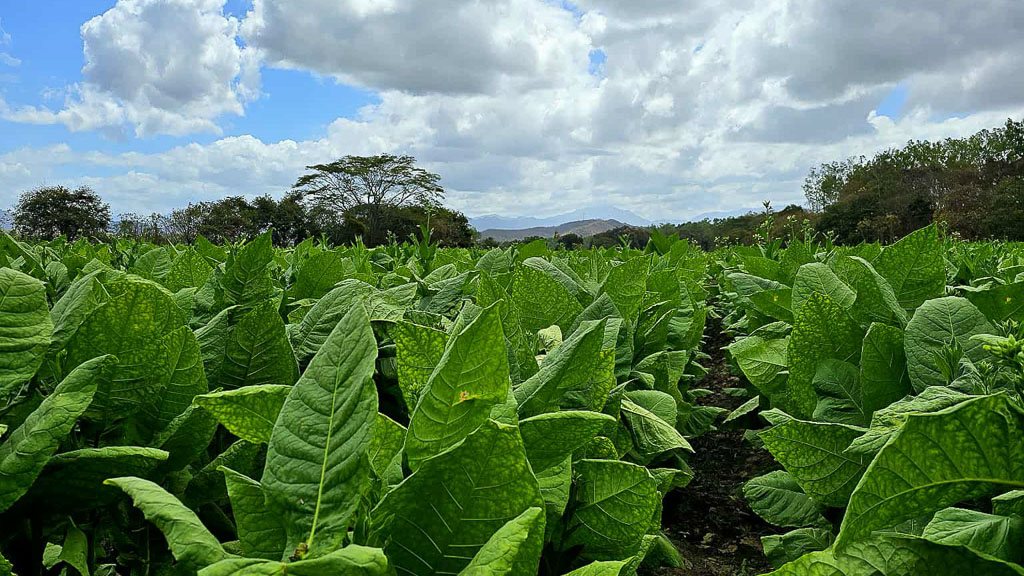
Standing in the fields, the first thing you notice is the quiet. Not the absence of sound, but a different kind of rhythm.
The wind moves slowly through rows of tobacco leaves. Workers move deliberately between the plants, each one tending their section of the field with a quiet focus. There is no rushing here. No frantic pace. Just steady work.
It immediately reminds you that this process takes time. Tobacco does not hurry for anyone.
And this is where every cigar begins.
During our visit to Honduras, we spent the morning walking the farms with the team behind Aladino, seeing firsthand where their tobacco is grown and how much care goes into it long before a cigar ever reaches a humidor.
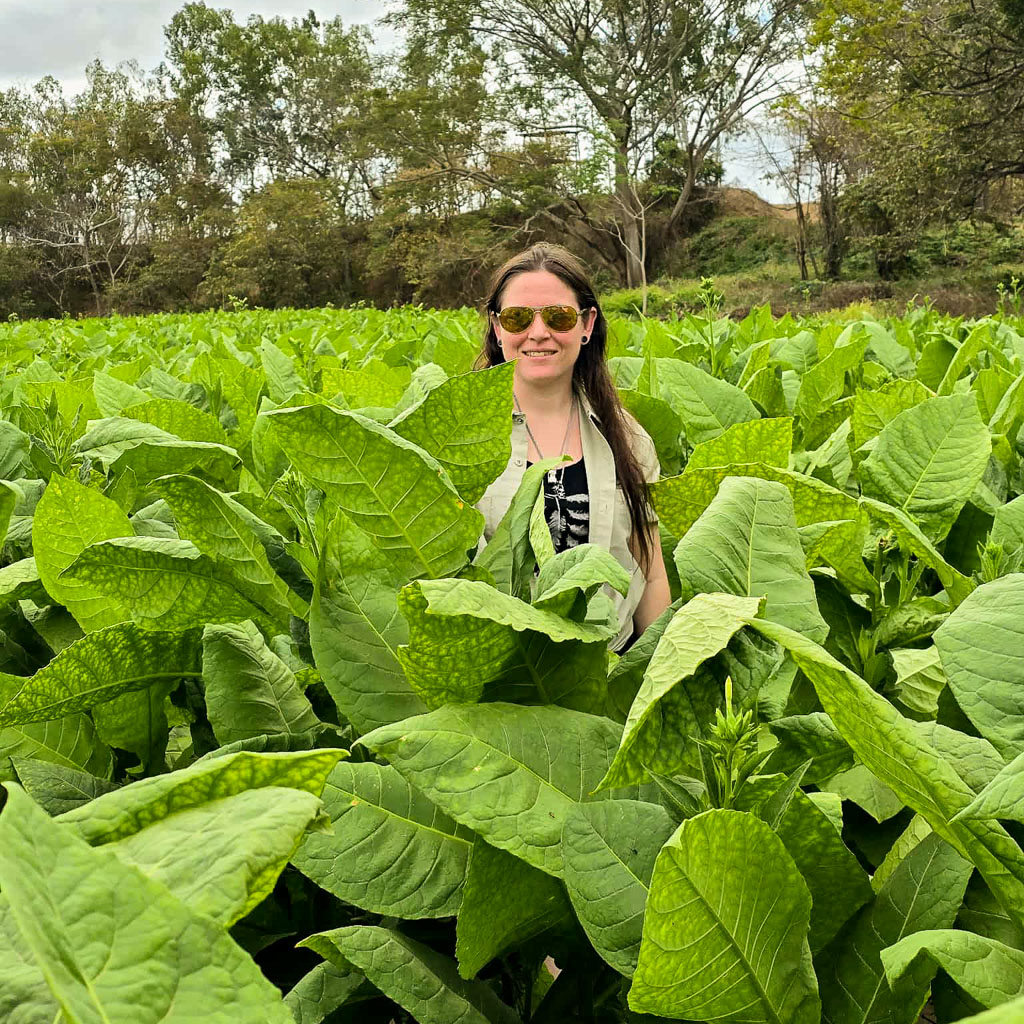
When you smoke a cigar in the lounge, it is easy to focus on the final product. The wrapper color. The construction. The flavor notes. But standing in the fields reminds you that what you hold in your hand started months and even years earlier in places like this.
It all begins with the seed beds.
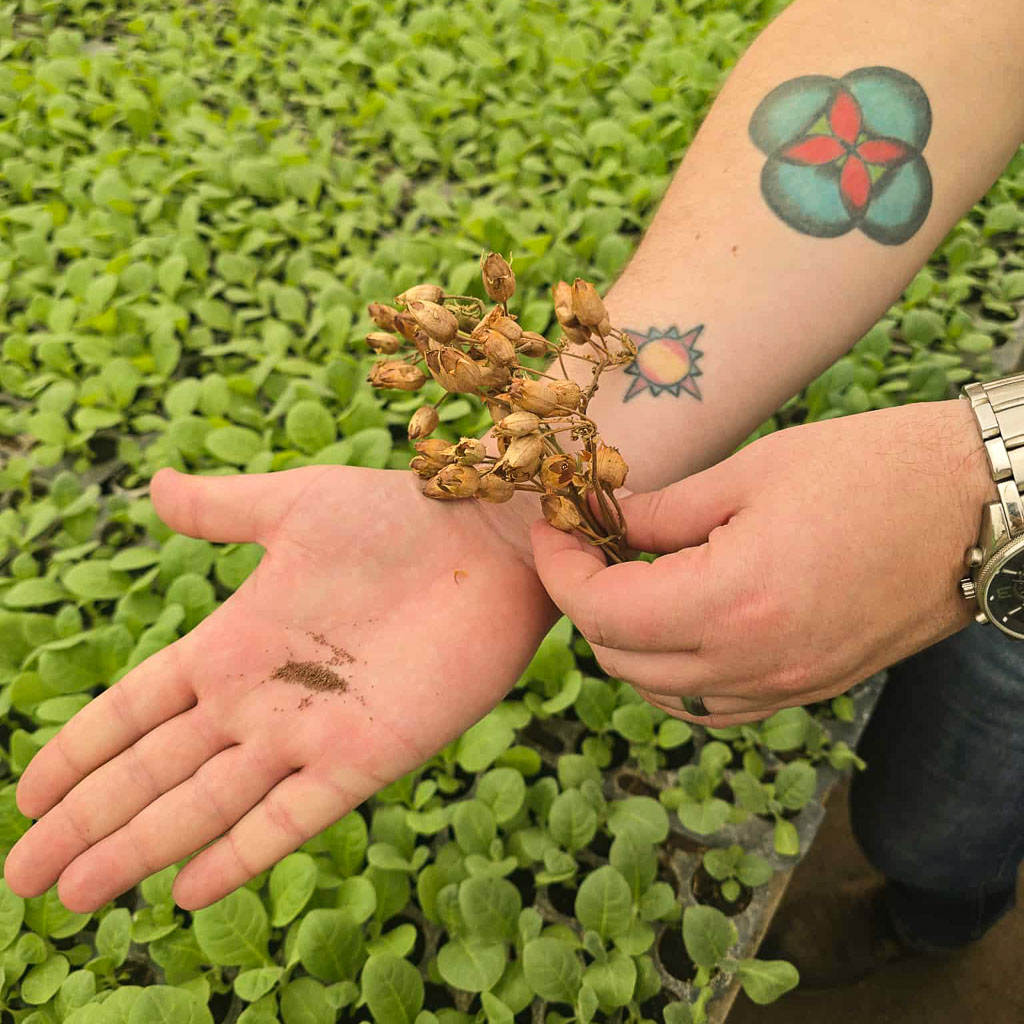
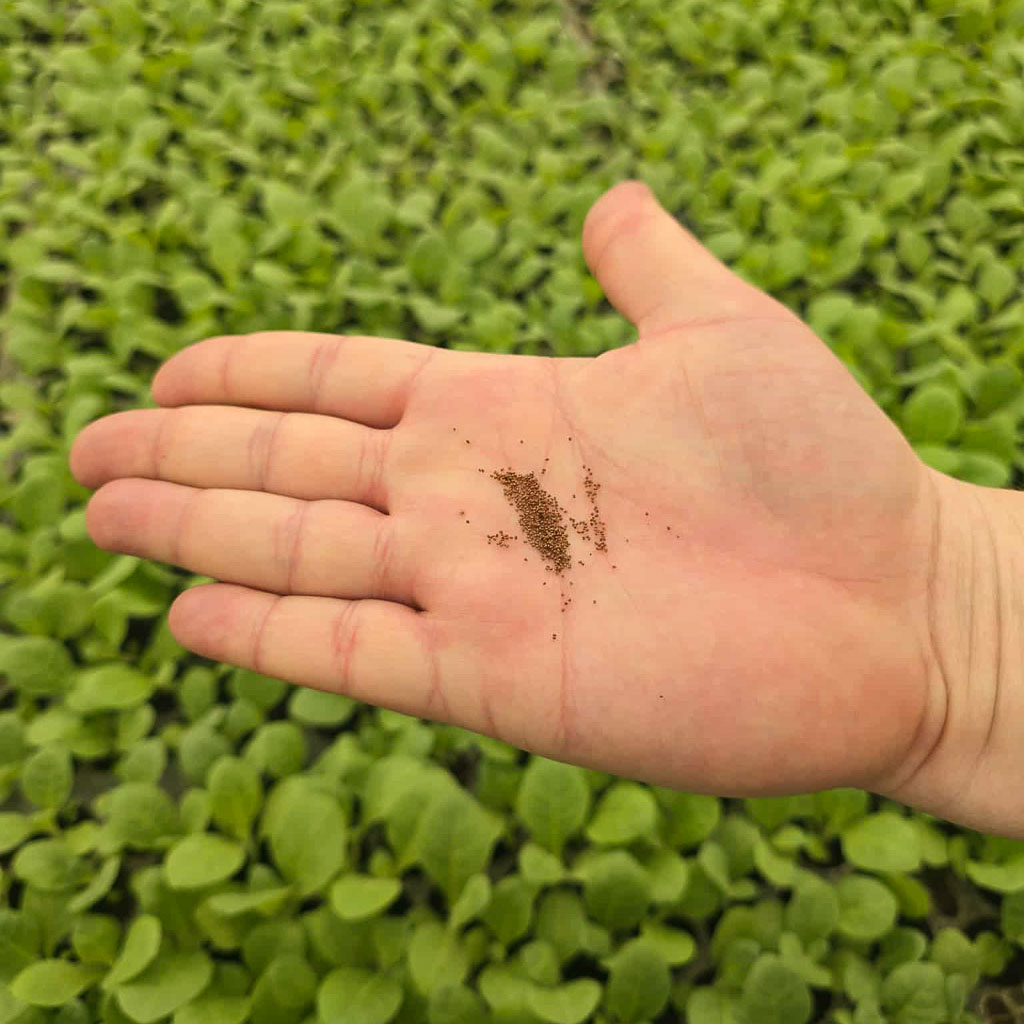
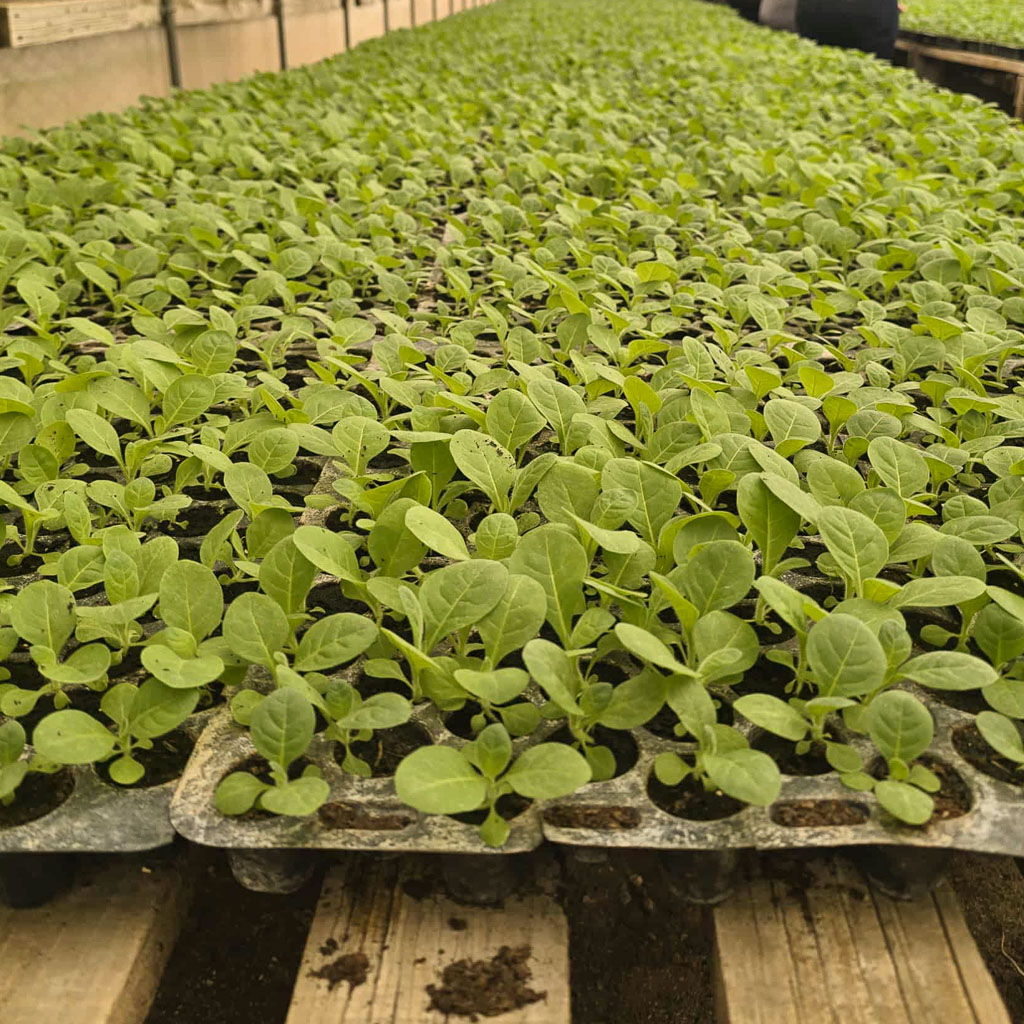
Long before the plants ever reach the open fields, tiny tobacco seeds are started in carefully prepared beds. They are nurtured and protected while they grow strong enough to survive outside. Once the plants reach the right stage, they are moved to the fields and planted by hand.
Row after row.
Plant after plant.
From there, the tobacco grows for weeks under the Honduran sun. The plants stretch upward, their leaves widening and thickening as they mature. Farmers walk the rows daily, monitoring the health of the plants and making sure each one develops the way it should.
When the time comes for harvest, it does not happen all at once.
Tobacco is picked one priming at a time, starting with the lower leaves and gradually working up the plant as the higher leaves mature. Each level of the plant produces tobacco with different characteristics. Different strength. Different flavor. Different body.
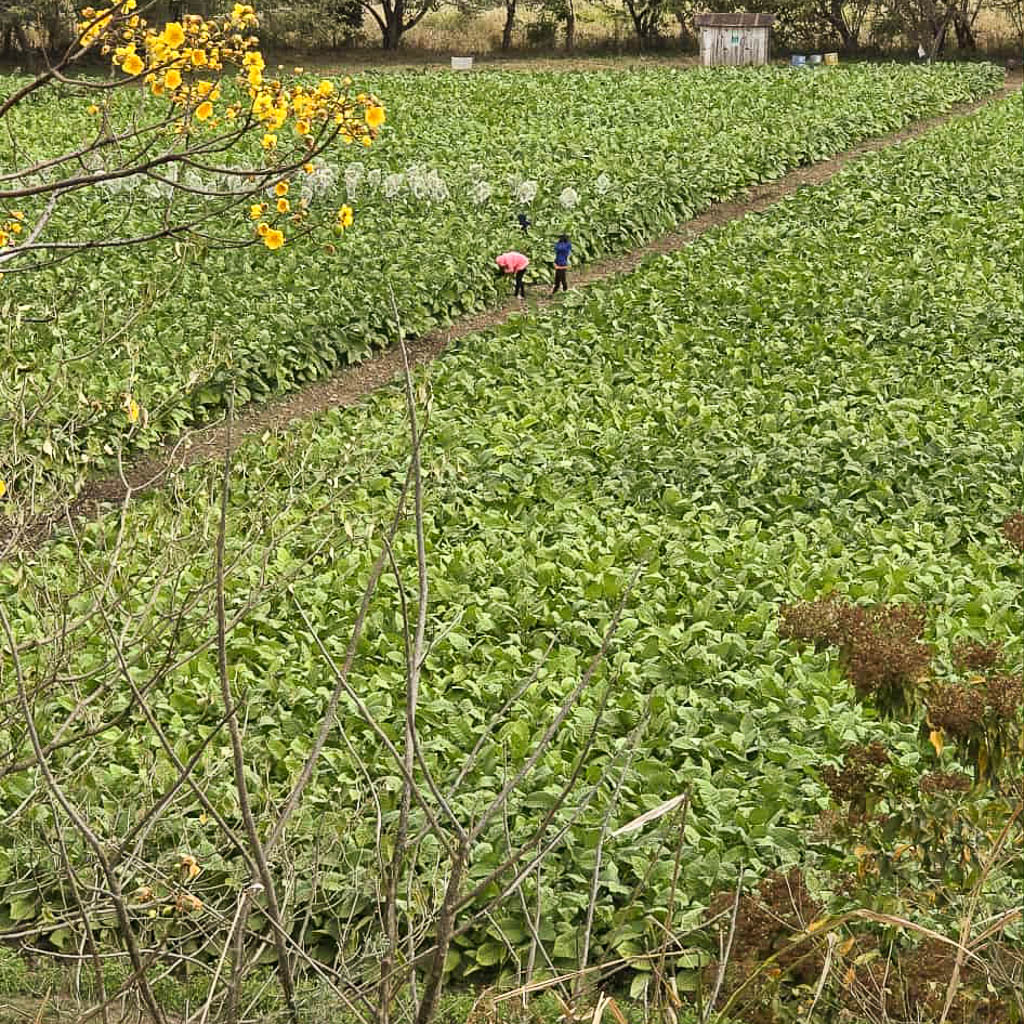
Once harvested, the leaves are taken to curing barns.
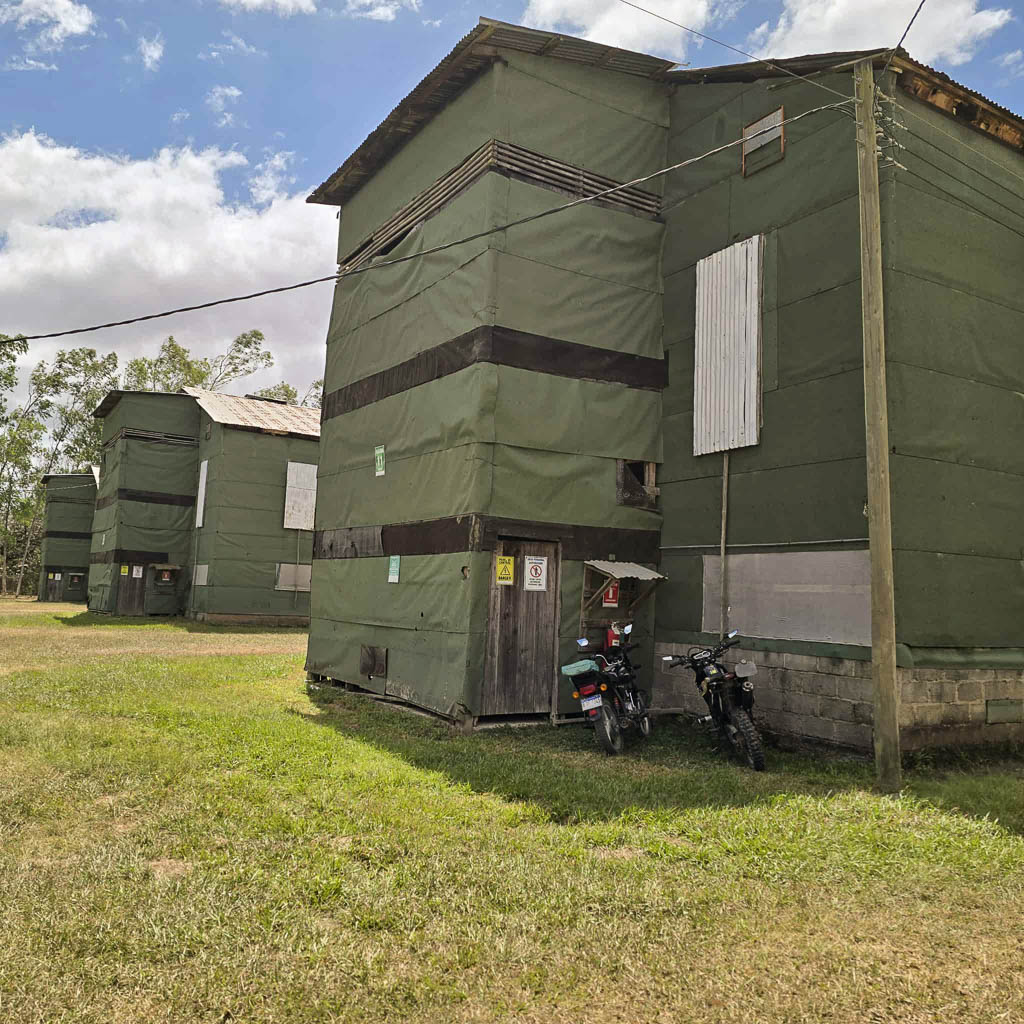
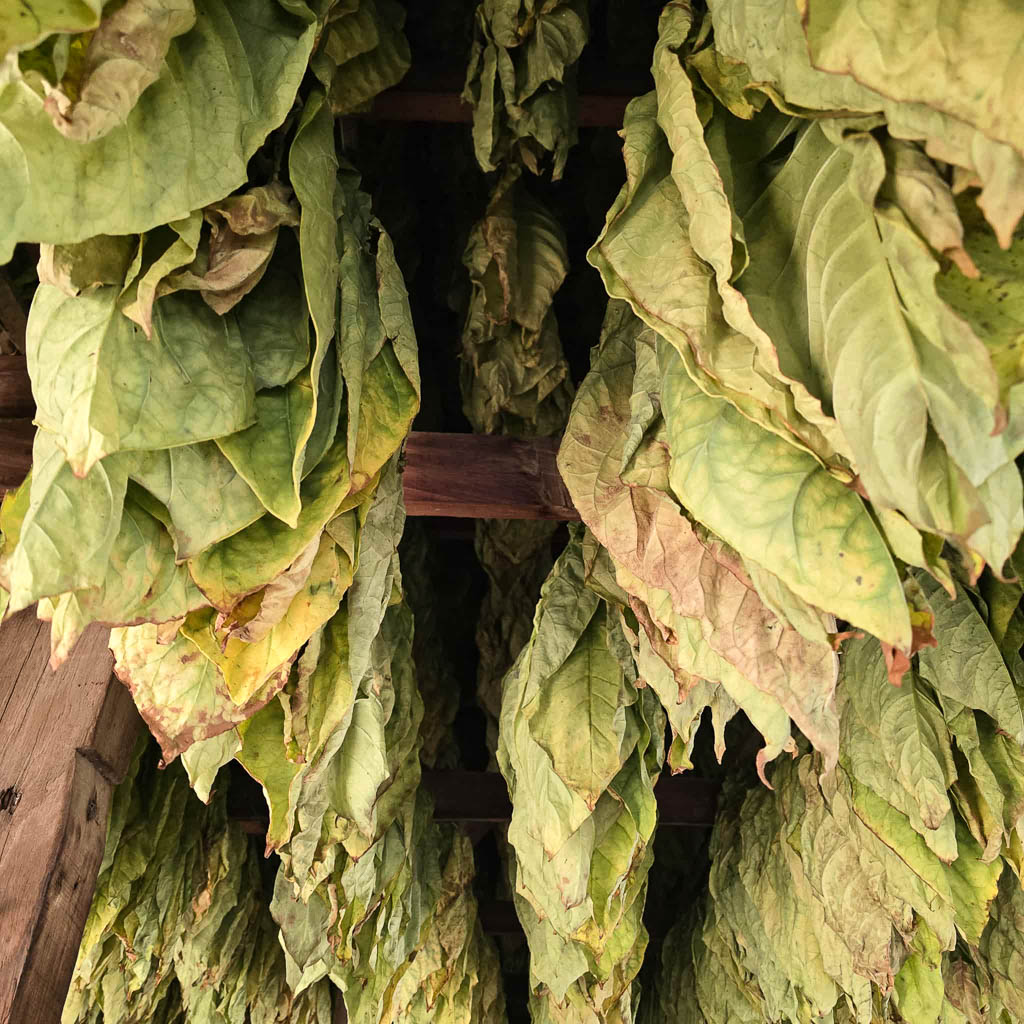
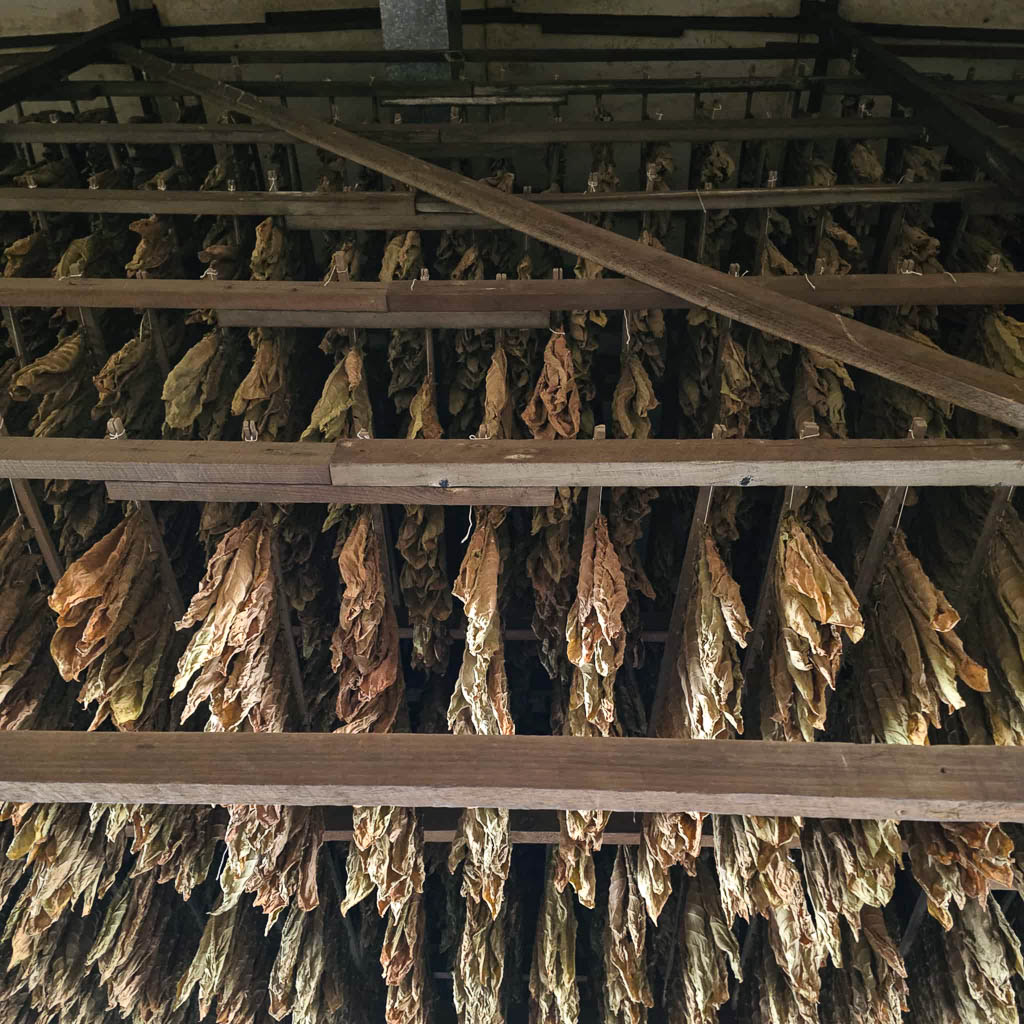
Inside these barns, the tobacco is hung carefully and left to dry slowly. Over time the leaves change color, transforming from bright green to deep shades of brown. The process looks simple from the outside, but it is closely watched and managed to ensure the leaves cure properly.
After curing comes fermentation.
Then aging.
Then sorting.
Then blending.
Each stage adds another layer of transformation before the tobacco is ever rolled into a cigar.
One of the things that stood out the most during our visit is how much of this entire process stays within the Eiroa family.
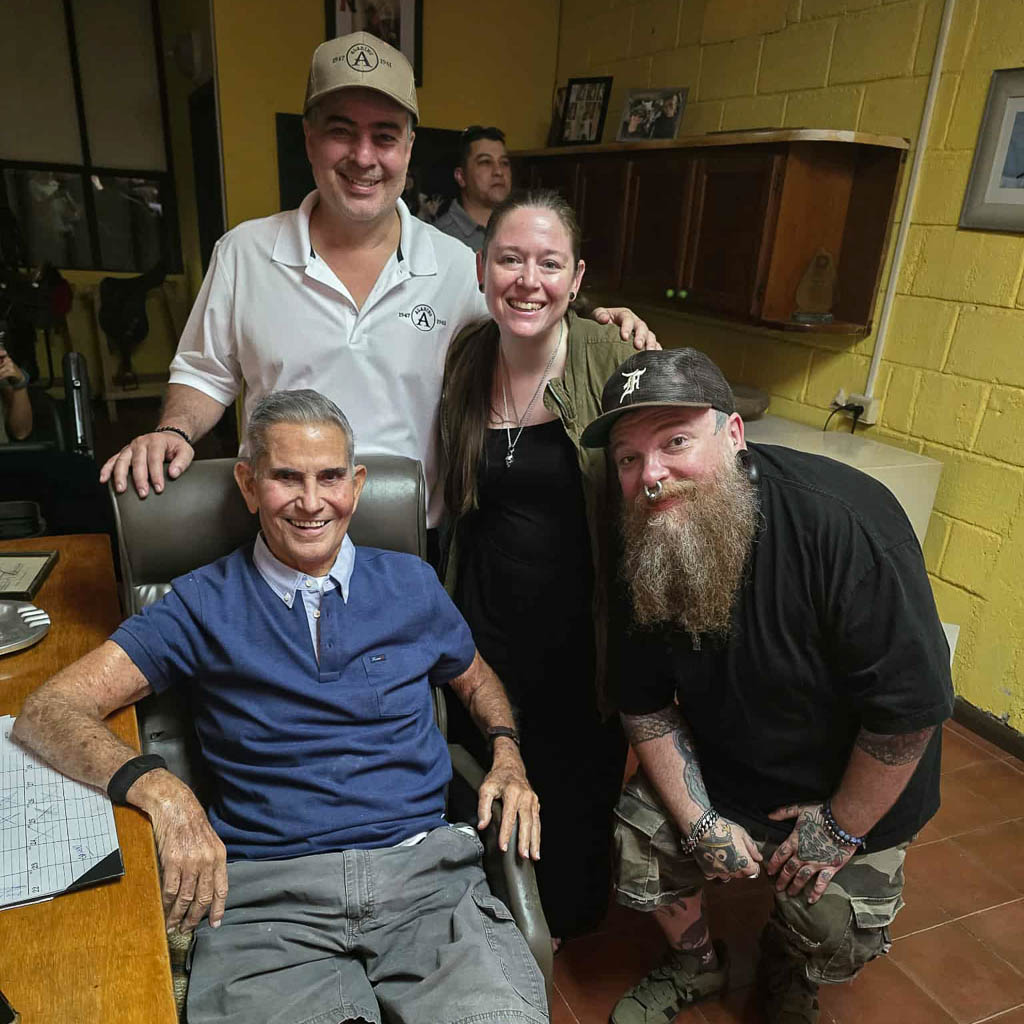
The Eiroa name has been connected to Honduran tobacco for generations. Walking the fields with them makes it clear that they see tobacco the same way farmers see soil. It is something you care for year after year. Something you protect and refine over time.
For Julio Eiroa and Justo Eiroa, tobacco is not simply a product to be manufactured. It is a legacy.
Their dedication to authentic Honduran Corojo tobacco is something they have spent decades protecting and perfecting. Seeing the fields where that tobacco is grown makes you realize just how much knowledge and patience stand behind every leaf.
By the time a cigar reaches your humidor, it has already been through years of work. Standing in those fields makes that reality sink in. It changes the way you think about the cigar in your hand.
The next time we light an Aladino at the shop, it will feel a little different knowing exactly where those leaves began.
Not just a factory.
Not just a blend.
But rows of tobacco plants growing slowly in the Honduran sun.
Have you smoked an Aladino before? If so, which one is your favorite?


You must be logged in to post a comment.