

SMOKERS ABBEY TEXAS
San Andrés: One Valley, Two Very Different Cigars
May 16, 2026If you’ve spent any time around the lounge, you’ve probably heard us talking about San Andrés. It’s one of those growing regions that gets name-dropped a lot, but most people don’t realize the wrapper they’re loving on Tuesday might be wildly different from the one they grab on Saturday, even when both say “San Andrés” right there on the band.
Here’s the thing. San Andrés isn’t a flavor. It’s a place. And like any great growing region, what comes out of it depends entirely on which seed went in the ground.
A little about the valley
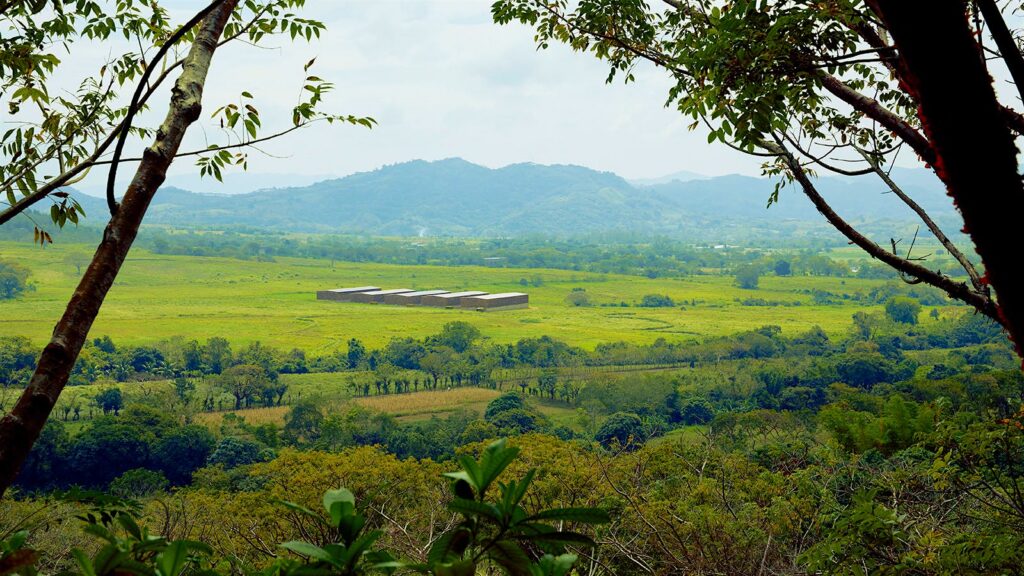
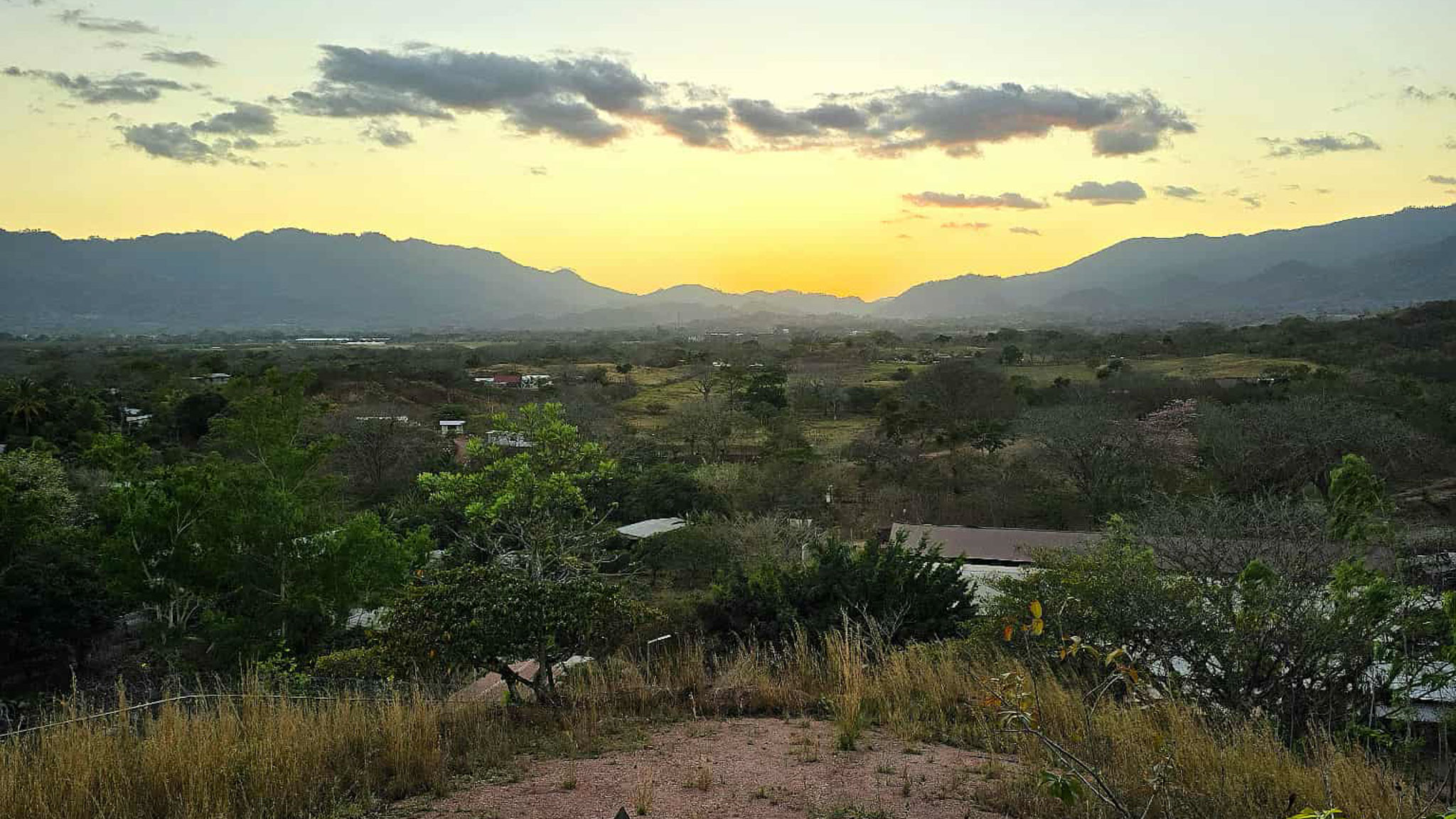
San Andrés sits in Veracruz, on Mexico’s Gulf coast, tucked into a valley shaped by an old volcano. The soil is loaded with volcanic ash and minerals, the air comes in warm and humid off the water, and the elevation keeps things cooler than you’d expect for that latitude. Tobacco has been growing there since the 1800s, when Cuban families brought seeds over and discovered the dirt was exceptional for it.
These days the Turrent family runs the largest operation in the valley, and they grow several different varietals on the same land. The two we want to talk about today are the Negro and the Habano, because they tell completely different stories on the palate.
San Andrés Negro: the one everyone fell in love with
Negro :: In authentic Spanish contexts, it is pronounced as NEH-groh (IPA: /ˈneɡɾo/) Meaning “dark”
When most folks picture a San Andrés cigar, they’re picturing the Negro. Dark, oily, sometimes almost black. It’s the wrapper that’s been having a serious moment for the last decade, and for good reason.
The Negro is indigenous to the region. It’s been growing there for centuries, well before anyone showed up with a Cuban seed. The leaf itself is thick, rich with natural oils, and built to handle a long fermentation without falling apart. That structural toughness is part of what makes it so versatile. You can use it as a wrapper, a binder, even a piece of the filler if you know what you’re doing.
What sets the Negro apart, though, is what happens during fermentation. The leaf is naturally high in sugar, so when it sits in those big tobacco piles and the heat builds, you get a transformation. Color deepens. Sugars concentrate. The result is a wrapper that delivers dark chocolate, espresso, damp earth, a little black pepper, and a sweetness on the finish that doesn’t come from anything artificial. It’s just the leaf doing what the leaf does.
This is your slow Sunday cigar. The one you light when you’ve got nowhere.
San Andrés Habano: the spicier, sharper cousin
Here’s where it gets interesting. Plant a Cuban-seed Habano in that same volcanic soil, with the same Gulf humidity and the same Turrent farming hands, and you get something almost unrecognizable from the Negro.
The Habano lineage brings its own character no matter where it’s grown. More pepper, more leather, more of that dry, woody bite that fans of Cuban-style cigars chase. When you grow that seed in San Andrés specifically, you’re layering the Habano DNA over Mexican terroir. The minerality from the volcanic soil sneaks in. The Gulf humidity affects how the leaf develops. You end up with a wrapper that has the spice and structure of a Habano but a different backbone than what you’d get from the same seed grown in Nicaragua or Honduras.
On the palate it leads with pepper and leather, with wood and toasted nuts running underneath. The sweetness that defines the Negro mostly steps aside, replaced by something brighter and more savory.
This is your focused cigar. Pull it out when you actually want to taste what’s happening in the smoke.
Six cigars that prove the point
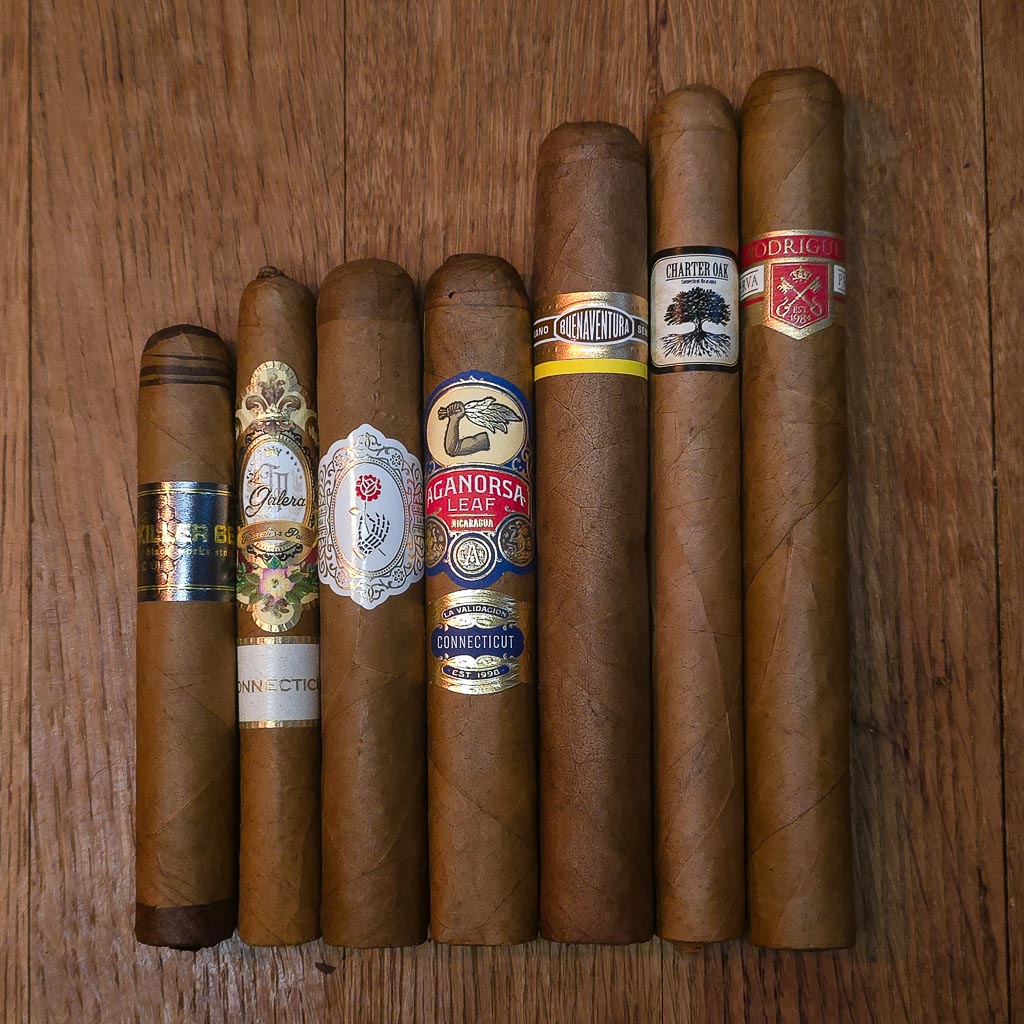
Theory is great, but the lounge is where this stuff actually clicks. We put together a San Andrés Sampler: One Valley, Two Stories so you can taste the range yourself. Six cigars, all built around tobacco from the same valley, each one telling a different version of the story. Pick up the sampler, smoke them back to back, and you’ll never look at “San Andrés” the same way again.
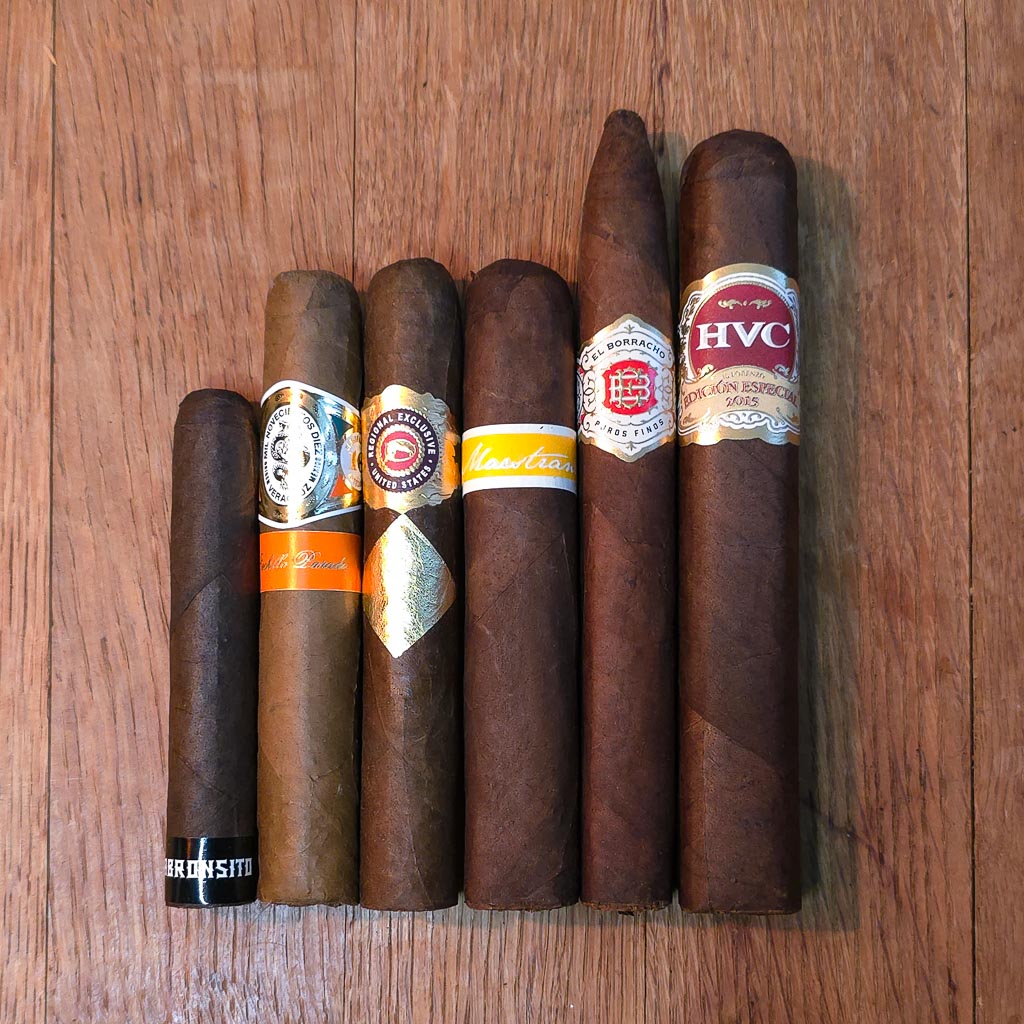
The San Andrés Sampler at Smokers Abbey Austin shows how much range a single Mexican valley can deliver.
Here’s what’s inside.
HVC Edición Especial 2015 A textbook example of what a San Andrés Negro wrapper does over a Nicaraguan core. Reinier Lorenzo’s blend leans into pepper up front, then opens up into wood, leather, and that signature dark sweetness on the finish. Medium to full bodied and built for someone who already loves a maduro but wants more layers than a Connecticut Broadleaf can give them.
Casa 1910 Cuchillo Parado Robusto A Mexican puro, which is rare. Everything comes from the San Andrés region: a Sumatra-seed wrapper grown in San Andrés, with San Andrés-grown binder and filler underneath. This one shows what the valley can do when it isn’t paired with Nicaragua. The profile is lighter and drier than you’d expect, with wood, leather, black tea, and soft pepper. Smoke this one if you want to taste Mexican tobacco speaking for itself.
Cavalier Genève USA Regional Exclusive A great middle path. The San Andrés wrapper here is doing the heavy lifting up top, but the blend underneath (Honduran Connecticut binder, fillers from the Dominican, Honduras, Nicaragua, and the US) softens things into a smooth, medium bodied experience. You still get the rich dark profile a Negro wrapper is known for, but with the polish and complexity that makes this cigar an easy recommendation for almost anyone.
Dapper El Borracho San Andrés Belicoso This is the one where the wrapper really gets to show off. A Mexican San Andrés natural over Nicaraguan binder and filler, box pressed into a belicoso so the smoke concentrates as you work toward the band. Semi-sweet chocolate, cedar, citrus, and licorice all show up, with floral notes on the retrohale. A perfect example of the Negro’s natural sweetness without going maduro-heavy.
Edgar Hoill Cabronsito A small format with a big personality. The Mexican San Andrés wrapper here brings dark earthiness and a spicy edge that hits hard for such a short cigar. It’s the kind of stick you grab when you want the full San Andrés experience in 30 to 40 minutes instead of an hour and a half.
RoMa Craft Maestranza A beautiful counterpoint to the HVC. Same wrapper region (Mexican San Andrés), but lighter in color, layered over a Brazilian binder and a complex filler from the Dominican, Honduras, and Nicaragua. Skip Martin and Mike Rosales built complexity in without going heavy on the pepper, so you get cedar, dark chocolate, baking spices, and a buttery finish. Proof that the same growing region can deliver elegance, not just power.
Why this matters when you’re shopping
Once you understand it, your humidor gets smarter. If someone tells you they love San Andrés cigars, the next question should be “which one?” San Andrés Negro fans and San Andrés Habano fans are usually chasing two completely different experiences.
A quick way to think about it:
Reach for something with a San Andrés Negro wrapper when you want chocolate, earth, and sweetness. It pairs beautifully with bourbon or a stout.
Reach for a San Andrés Habano (or a Mexican puro like the Cuchillo Parado that shows the region’s drier side) when you want pepper, leather, and a little bite. Pair it with a rye, a black coffee, or something with structure.
Same valley. Same soil. Two totally different ways to experience what San Andrés can do.
Grab the San Andrés Sampler and come hang out. We’ll talk you through what you’re tasting.
You must be logged in to post a comment.