

Honduras: One Country, Three Very Different Stories
July 28, 2026Every cigar region has a reputation. Nicaragua gets called bold. The Dominican Republic gets called refined. Honduras cigars get called earthy, and most people leave it there.
That’s a shame, because Honduras is where some of the most interesting personalities in the industry ended up building something. A Swiss transplant who fell in love with a tobacco town. A trio of partners who broke off from one of the biggest names in cigars to do things their own way. A Cuban family who crossed an ocean of politics to keep growing the leaf they knew best.
Three brands. One country. This week’s spotlight is on Cavalier Genève, Oscar Valladares, and Aladino, and the sampler built around them.
Why Honduras in the First Place
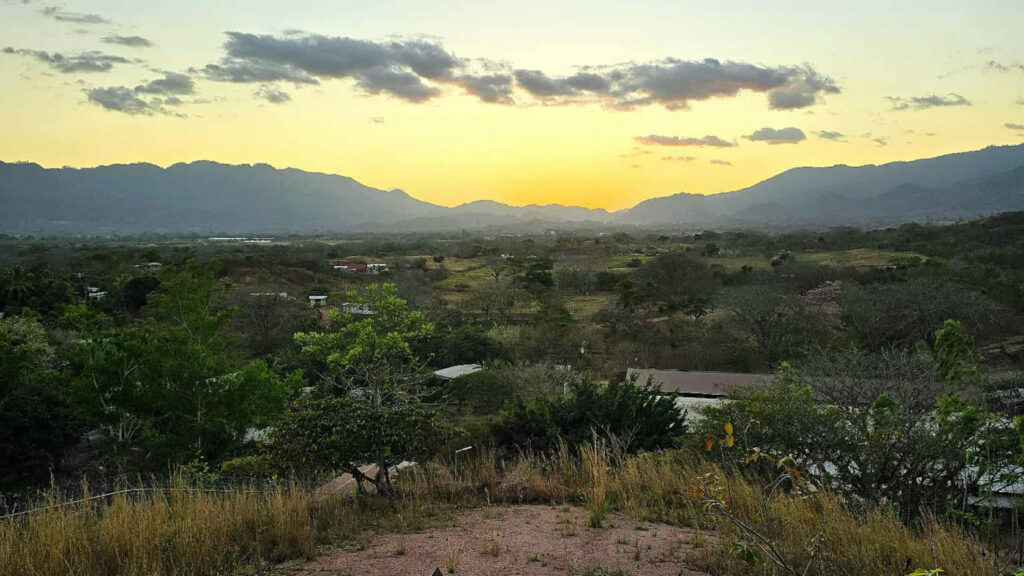
After the Cuban Revolution, tobacco growers scattered across Central America looking for soil that could stand in for what they’d left behind. Nicaragua got its share. The Dominican Republic got its share. Honduras got the Eiroas, the founders of Camacho, and eventually the people who’d go on to build the three brands in this week’s sampler.
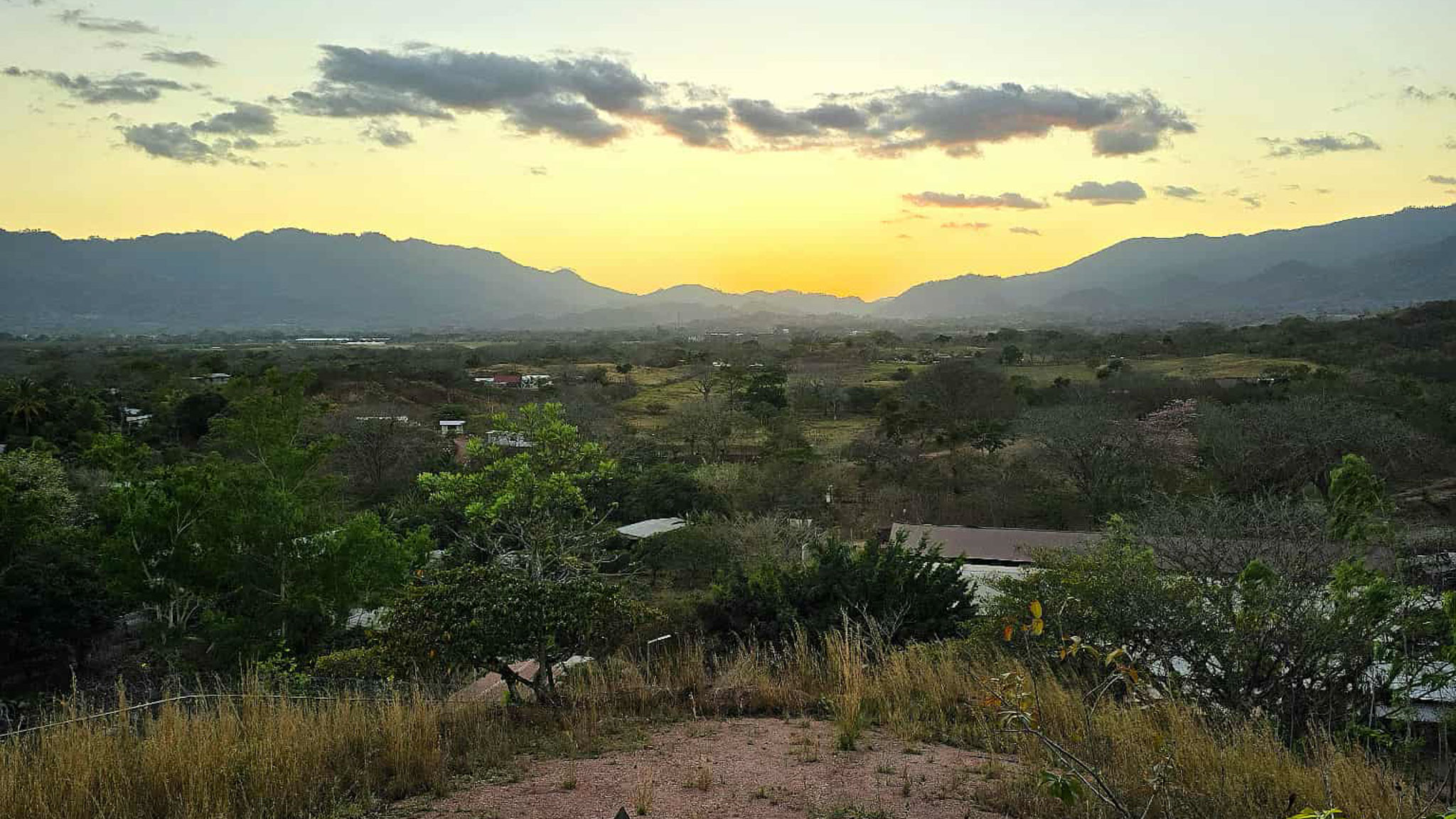
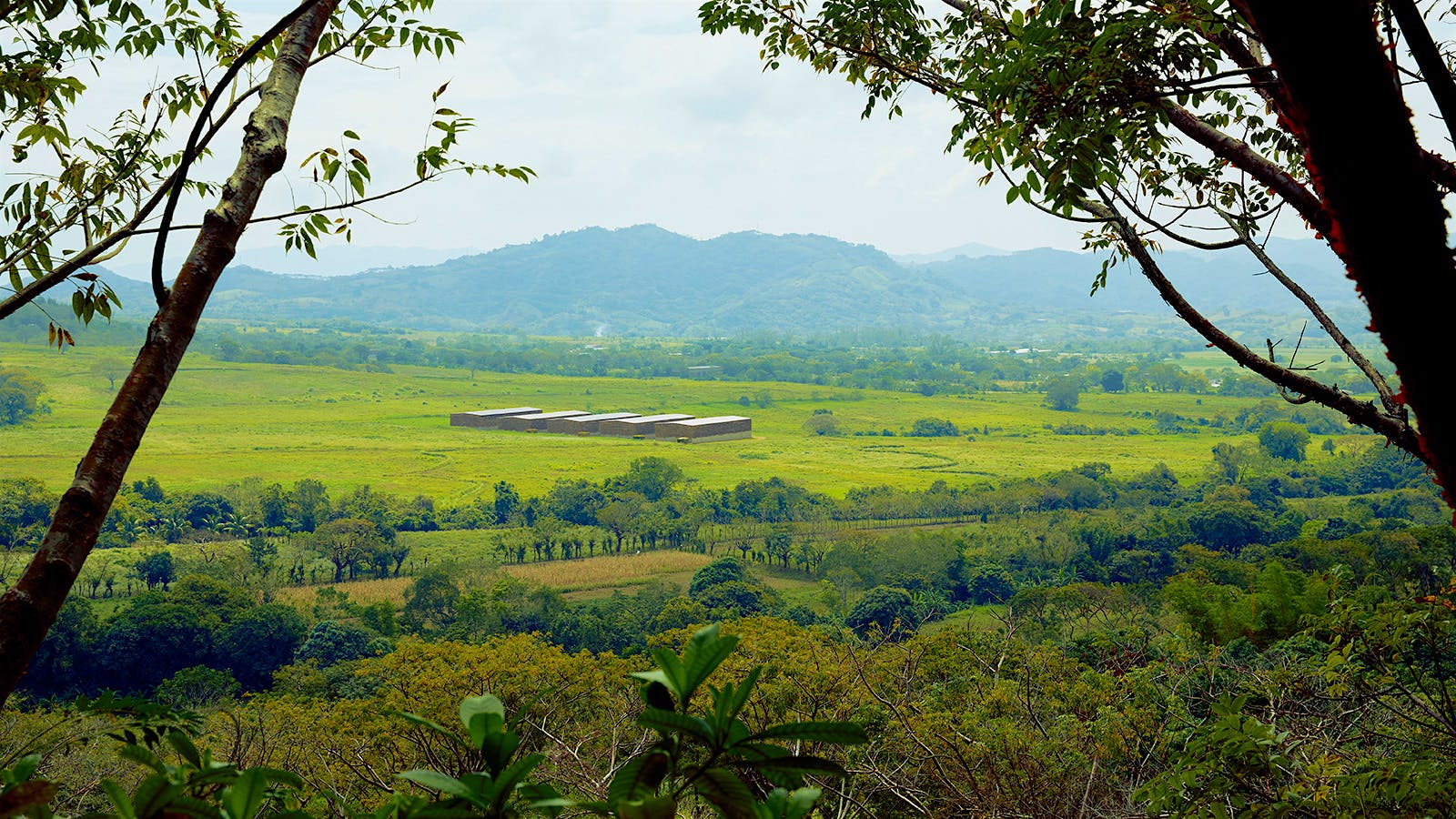
The Jamastran Valley, just across the border from Nicaragua’s Jalapa Valley, became the heart of it. Clay-heavy soil, a long growing season, and decades of Cuban-seed expertise turned the region into one of the most respected tobacco-growing zones outside Cuba itself.
Cavalier Genève: A Swiss Native Who Never Left
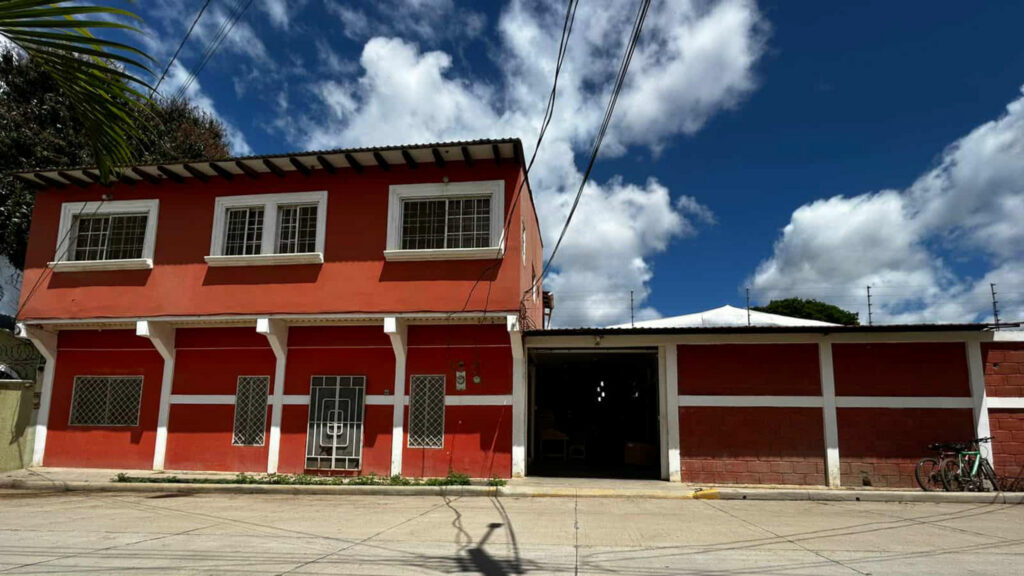
Sébastien Decoppet grew up in Geneva, not Honduras. But in his early twenties he landed in Danlí and started learning the craft at San Judas Tadeo alongside veterans like Adin Perez. He never really left.
In 2016, Decoppet launched Cavalier Genève out of his own factory, Fábrica Centroamericana de Tabaco, built on the idea of Swiss precision applied to Central American tobacco. The brand’s signature gold diamond, hand-applied to every cigar, was designed by his wife Eylin. The horse and rider on the band came from Honduran artist David Rojas.
The Inner Circle line is where the story gets personal. Domaine Rouge, built around a Habano wrapper grown right in the Jamastran Valley, is a tribute to Decoppet’s father Pascal, who passed away in 2021. The name also nods to the red-painted factory where it’s rolled. Tres Delincuentes has a lighter origin. Sébastien, Eylin, and sales director Brian Motola were driving back from the fields one morning when a song by that name came on the radio, and the three wrappers on the blend ended up representing the three of them.
Oscar Valladares: The Guy Who Left to Do It His Way
Oscar Valladares didn’t start out rolling cigars. He started out driving tourists to Rocky Patel’s factory in Danlí. That job turned into nine years working for Rocky Patel directly, learning the business from the inside.
In 2011, Valladares struck out on his own with a small shop and a handful of rollers. Bayron Duarte, a 20-year industry veteran with stints at General Cigar and Oliva, saw what he was building and brought in Valladares’ brother Hector as a partner. Oscar Valladares Tobacco & Co. was born in 2012, and their first release, the 2012 by Oscar, skipped the wrapper entirely in favor of an unfermented leaf. It was a strange choice that turned out to define the brand.
Raw Dog carries that same instinct forward. There’s no wrapper at all. The binder, grown in Copán, does that job on its own, wrapped around filler from Jamastran and Copán with a brushed foot that lets the filler show past the binder’s edge. It’s about as close to a pure, unfiltered look at Honduran tobacco as a cigar gets. The Oscar Maduro Robusto takes a different approach, laying a San Andrés wrapper over the same Honduran binder and Honduran and Nicaraguan filler, while Leaf By Oscar wraps an all-Honduran interior in an oily Ecuadorian Sumatra leaf, a nod to the house cigar that started it all for a shop back in Pittsburgh.
Aladino: The Family That Never Stopped Growing
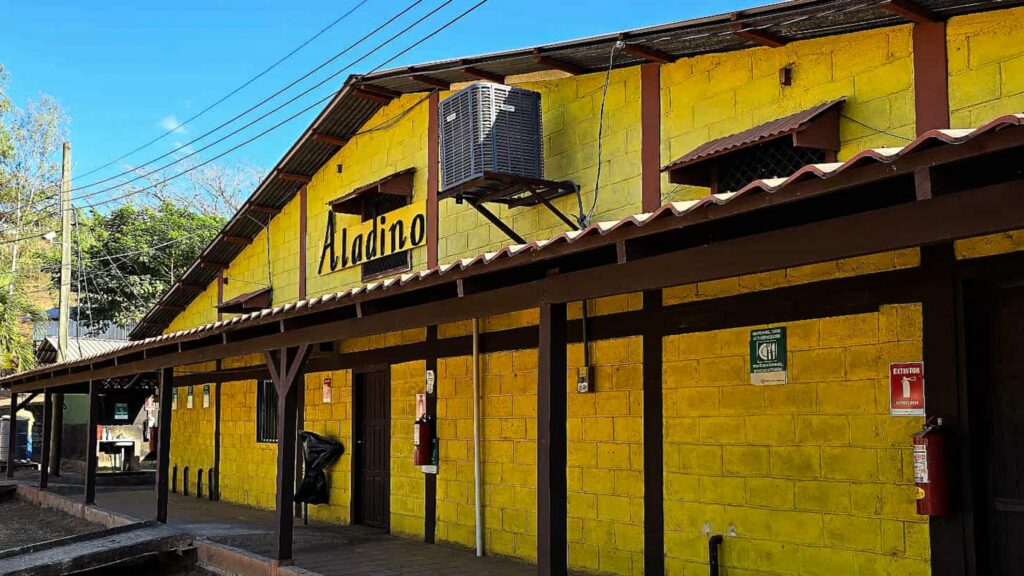
The Aladino story starts in Pinar del Río, Cuba, where Julio Eiroa’s father Generoso was growing tobacco in the early 1900s. When the revolution forced the family out, Julio landed in Danlí in 1963 and went to work growing tobacco for Camacho. He never stopped.
Today, Julio and his son Justo run JRE Tobacco Company out of that same region, farming their own Corojo seed from planting to rolling. The name Aladino comes from an old movie theater in Danlí that the Eiroas converted into their working factory, a nice bit of local history baked right into the brand.
Camp Aladino started in 2024 as the family’s way of putting retailers on the ground, flying them out to walk the fields and the factory in Jamastran firsthand. Every trip comes with its own cigar, rolled exclusively for that year’s group before it’s eventually rebranded and released to everyone else. This year’s version, the Camp Aladino 1962 Toro, is fresh off the 2026 trip. Last year’s is already out in the world. It’s the cigar now sold as Gorbusto by Aladino, released to the public earlier this year. The Vintage Selection Elegante, a lancero built from Habano wrapper over Corojo binder and filler grown at the family’s own farms, is the other side of the Aladino story. Less campfire, more classic.
So What Actually Makes Honduras Different
Soil is most of the answer. The Jamastran Valley and Copán sit on clay-heavy ground that produces thicker, oilier, mostly sun-grown leaves. That’s where the earthy, woody, rounded character people associate with Honduran tobacco comes from. Less sharp pepper up front, more of a slow, savory build.
Cross the border into Nicaragua and the ground changes completely. Estelí and Jalapa sit on volcanic soil loaded with nitrogen and potassium, which pushes nicotine and boldness higher. That’s the difference between a Honduran cigar’s rounded earthiness and a Nicaraguan cigar’s sharper, spicier punch.
One country, three completely different smoking experiences, and that’s before you even get to the people rolling it.
Try It for Yourself
This week’s Honduran Sampler puts all three side by side.
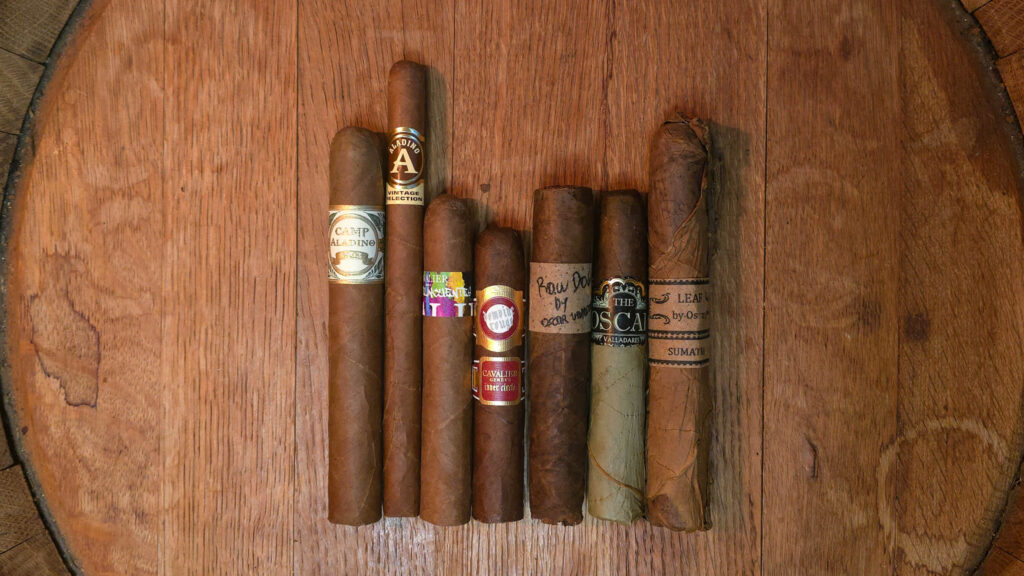
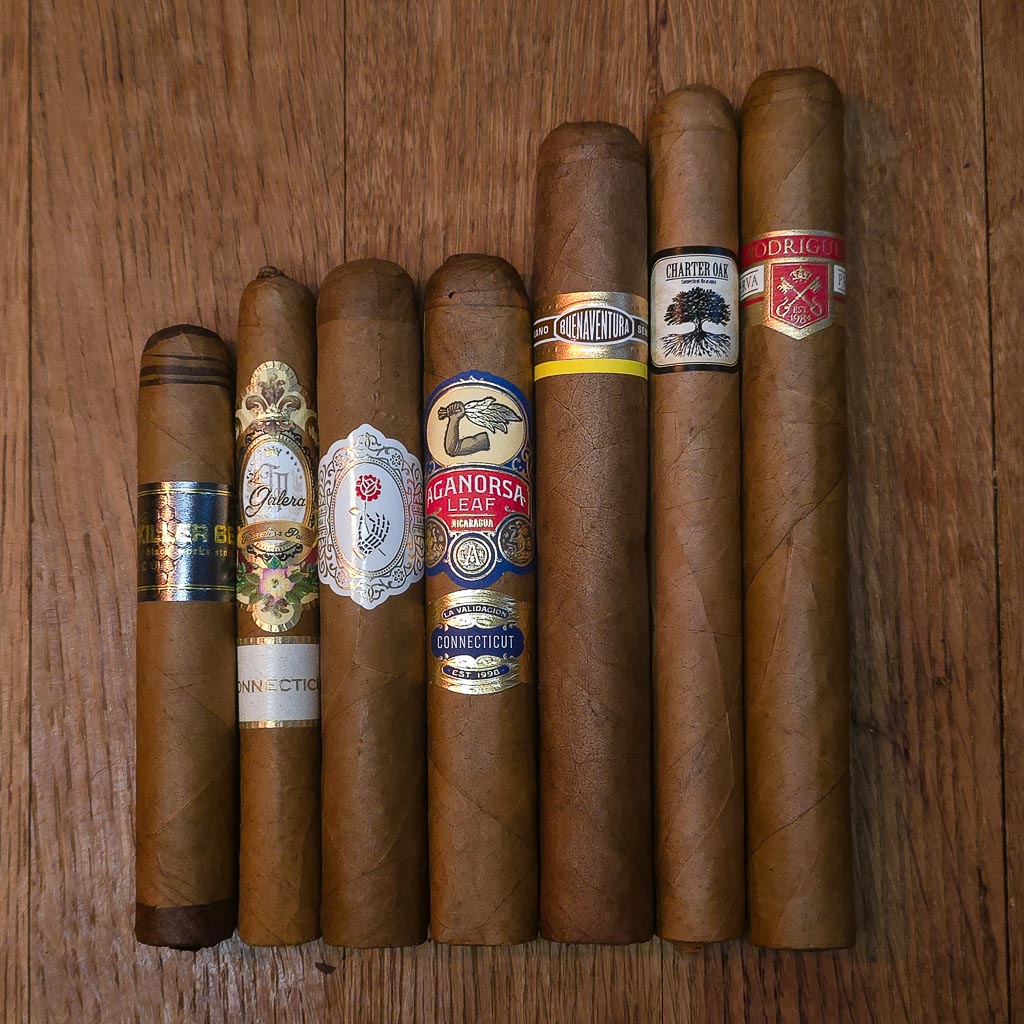
Cavalier Genève’s Tres Delincuentes and Domaine Rouge, Aladino’s Camp Aladino 1962 Toro and Vintage Selection Elegante, and Oscar Valladares’ Raw Dog, The Oscar Maduro Robusto, and Leaf By Oscar Sumatra, all seven in one box.
It’s the easiest way to taste what Honduras actually brings to the table, straight from the people who’ve spent generations figuring it out.
You must be logged in to post a comment.